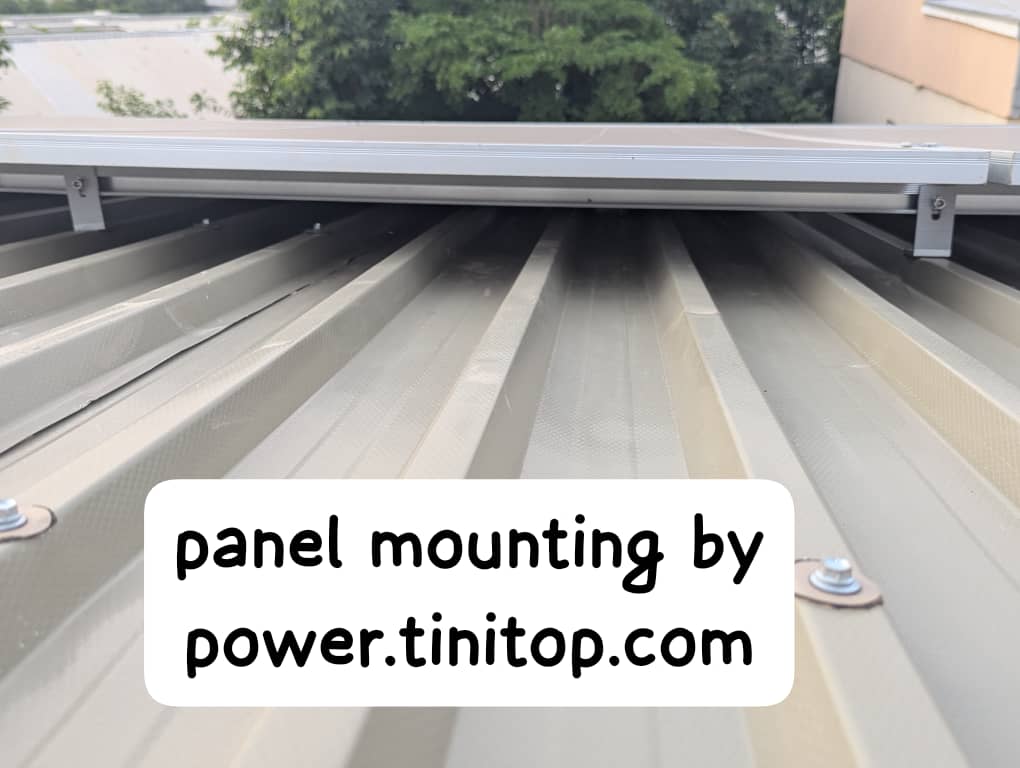
Your Solar Panel Mounting Actually Matters More than You Thought
From heat build-up to roof leaks and wind hazards—why *how* you mount your panels matters just as much as the panels themselves.
If you look at the roofs around Nigeria today, you will see thousands of solar panels tied down directly to roofing sheets using basic iron binding wire. And let’s be honest: despite the warnings, we aren't seeing a massive wave of panels flying off roofs just yet (though the rust on those wires is a ticking time bomb).
However, there is a silent, immediate problem with this setup that is costing homeowners every single day: Heat and Structural Stress.
At Tinitop Technologies, during audits, we regularly see systems underperforming—sometimes not because the panels are bad, but because of how they are mounted. The way your panels sit on your roof affects power generation, the safety of your wiring, the lifespan of your roof, and even how hot your living room gets. Let’s break down the most popular solar mounting techniques in Nigeria, along with their full pros and cons.
1. Direct Roof Placement & Binding Wire (The "Zero-Gap" Method)
This is the most common DIY or "cheap technician" method. The panel is laid flat against the metal roof and the aluminum frame is tied to existing roofing nails or wood trusses using iron binding wire.
Pros
- Extremely cheap initial cost.
- Requires almost no specialized tools to install.
Cons
- Efficiency Loss (Heat): Zero air gap means the panels bake on the hot metal roof. As panels get hotter, voltage drops, and you lose power precisely when the sun is brightest.
- House Heating: The panels transfer thermal energy directly into your roof, making the rooms below uncomfortably hot.
- Wind & Rust Hazard: Binding wire rusts and snaps over time. When a severe storm hits, these panels become dangerous flying hazards.
- Roof Leaks: Tugging on existing roofing nails with wire creates gaps for rain to enter your ceiling.
- Fire Risk: DC cables rest directly on the scorching roof, which degrades wire insulation over time and can cause electrical shorts.
The Tinitop Verdict: We strongly advise against this. The massive risk to your life, property, and power efficiency is not worth the few Naira saved.
2. Short Aluminum Extrusion Profiles (Mini-Rails)
Instead of continuous rails, installers cut standard aluminum extrusions into small 4-inch blocks, screw them into the roof, and bolt the panels to them.
Pros
- Cost-effective structural upgrade from binding wire.
- Creates a small (1-inch) air gap, allowing some heat to escape.
Cons
- Poor Weight Distribution: The heavy weight of the panels rests entirely on those few isolated screw points, which can stress and dent the roof over time.
- Choked Airflow: The air gap is too small for proper convective cooling, especially in the middle of a large solar array.
- Aesthetic/Alignment Issues: It is incredibly difficult to get the panels perfectly straight and visually pleasing.
- Cable Hazards: Without long rails to tie cables to, DC wires often still droop and rest on the hot roof.
The Tinitop Verdict: Acceptable for tight budgets on very sturdy roofs, but still leaves a lot of efficiency and safety on the table.
3. Long Aluminum Extrusion Profiles (Standard Rails)
This method involves running long, continuous aluminum rails across your roof structure, with the panels bolted securely on top using proper nuts and washers.
Pros
- The Cooling Chimney Effect: Creates a healthy air gap. With sloping roofs, hot air rises and escapes out the top, naturally pulling cool air in from the bottom. Panels stay cool and generate more power.
- Excellent Weight Distribution: The weight of the solar array is spread evenly across the roof's core trusses, not the fragile metal sheets.
- High Wind Resistance: Very secure against heavy Nigerian rainstorms.
- Cooler Home: The air gap prevents the roof from absorbing the panel's heat.
- Wire Protection: Installers can zip-tie DC cables securely to the rails, keeping them completely off the hot roof.
Cons
- More expensive than mini-rails.
- Requires professional installers to transport and properly align the long rails.
The Tinitop Verdict: A recommended, structurally sound method that balances budget with excellent thermal management.
4. Professional Store-Bought Solar Mounting Kits
The gold standard. Several brands manufacture purpose-built, anodized aluminum mounting kits complete with L-feet, mid-clamps, end-clamps, and dedicated wire-management clips.
Pros
- Maximum Efficiency: Engineered to the perfect height for optimal convective cooling.
- Zero Roof Leaks: L-feet come with specialized waterproof rubber gaskets.
- Maximum Safety: Lab-tested to withstand extreme wind loads and structural stress.
- Rust-Proof Durability: Anodized aluminum and stainless steel will easily outlast your 25-year panel warranty.
- Perfect Aesthetics: Provides a premium, neat, and uniform look to your property.
- Perfect Cable Management: Integrated clips ensure zero electrical shorts or heat degradation.
Cons
- Highest upfront cost among roof-mounting options.
The Tinitop Verdict: The ultimate choice for protecting your investment and maximizing yield. We supply these premium kits for clients who want zero compromises.
5. Ground Mounting & Carports
Taking the panels off the roof entirely solves the house-heating problem and offers the best possible cooling for the panels.
Option A: The Solar Carport
Why put panels on your roof when they can shade your cars?
- Standard 4-Leg Carport: Supported by pillars on all four corners. Sturdy, cost-effective, and provides massive, unrestricted airflow underneath to keep panels at peak efficiency.
- Cantilevered Carport: A premium design supported only on one side. Makes parking a breeze and looks highly architectural. (Con: Requires heavy, deep concrete foundations to counter the weight).
- General Pros: Dual-use value (power + parking shade), perfect thermal cooling, and can be angled exactly towards the southern sky.
Option B: Direct Ground Mounting
Ideal for rural setups, farms, or large estates where roof space is limited or poorly angled.
- Pros: Ground mounts are naturally cooler. You can angle them perfectly, and they are incredibly easy to clean (dust drastically reduces power generation).
- Cons: Takes up valuable land space and usually requires fencing to protect the wiring and panels from theft, children, or livestock.
Protect Your Solar Investment
Premium grade solar panels (purchased from the right sources and validated) are designed to last 25-30 years. Don't let a substandard mounting job cut that lifespan short, reduce your power output, make your sitting room an oven, or set your roof on fire (heavens forbid).
Whether you need to upgrade to a premium roof mounting kit or want to design a custom, high-efficiency solar carport, Tinitop Technologies has the engineering expertise to get it done right.